Your garage door is the largest moving part of your home, and in Central Florida it works in tough conditions: year-round humidity, summer heat, pop-up thunderstorms, and six months of hurricane season. A little routine care goes a long way toward avoiding a broken spring on a Monday morning or a door that won’t close before a storm.
Here’s a practical maintenance checklist our technicians recommend for Orlando-area homeowners, what you can safely handle yourself, and what to leave to a pro.
The checklist at a glance
| Task | How often | DIY? |
|---|---|---|
| Watch and listen to the door run | Monthly | Yes |
| Test the auto-reverse and photo-eye sensors | Monthly | Yes |
| Clean the sensor lenses and tracks | Every 1–3 months | Yes |
| Lubricate hinges, rollers, springs, and bearings | Every 3–6 months | Yes |
| Check weatherstripping and the bottom seal | Twice a year | Yes |
| Test door balance | Twice a year | Carefully, or have a pro do it |
| Hurricane-season check | Every May | Yes, plus a pro tune-up |
| Spring, cable, and track inspection and adjustment | Yearly | Pro only |
Monthly: a five-minute check
Watch and listen. Stand inside and run the door through a full cycle. It should move smoothly and evenly, without jerking, scraping, or one side lagging. Grinding, popping, or a new squeal is an early warning that’s much cheaper to deal with now than later.
Test the auto-reverse. Lay a 2×4 flat on the floor in the door’s path and close the door. When it touches the board, it should stop and reverse. If it doesn’t, stop using the opener until it’s adjusted. This is a critical safety feature, especially with kids and pets around.
Test the photo-eyes. Start closing the door and pass something like a broom handle through the beam near the floor. The door should reverse immediately. If it doesn’t, or if it often refuses to close at all, see our guide on why a garage door won’t close.
Every few months: clean and lubricate
Clean the tracks and sensors. Wipe dirt, pollen, and cobwebs out of the vertical tracks with a dry cloth, and wipe off both sensor lenses.
Lubricate the moving parts. Use a garage door lubricant, or a silicone or white lithium spray, on:
- The hinges between each panel
- The bearings of steel rollers (not nylon wheels)
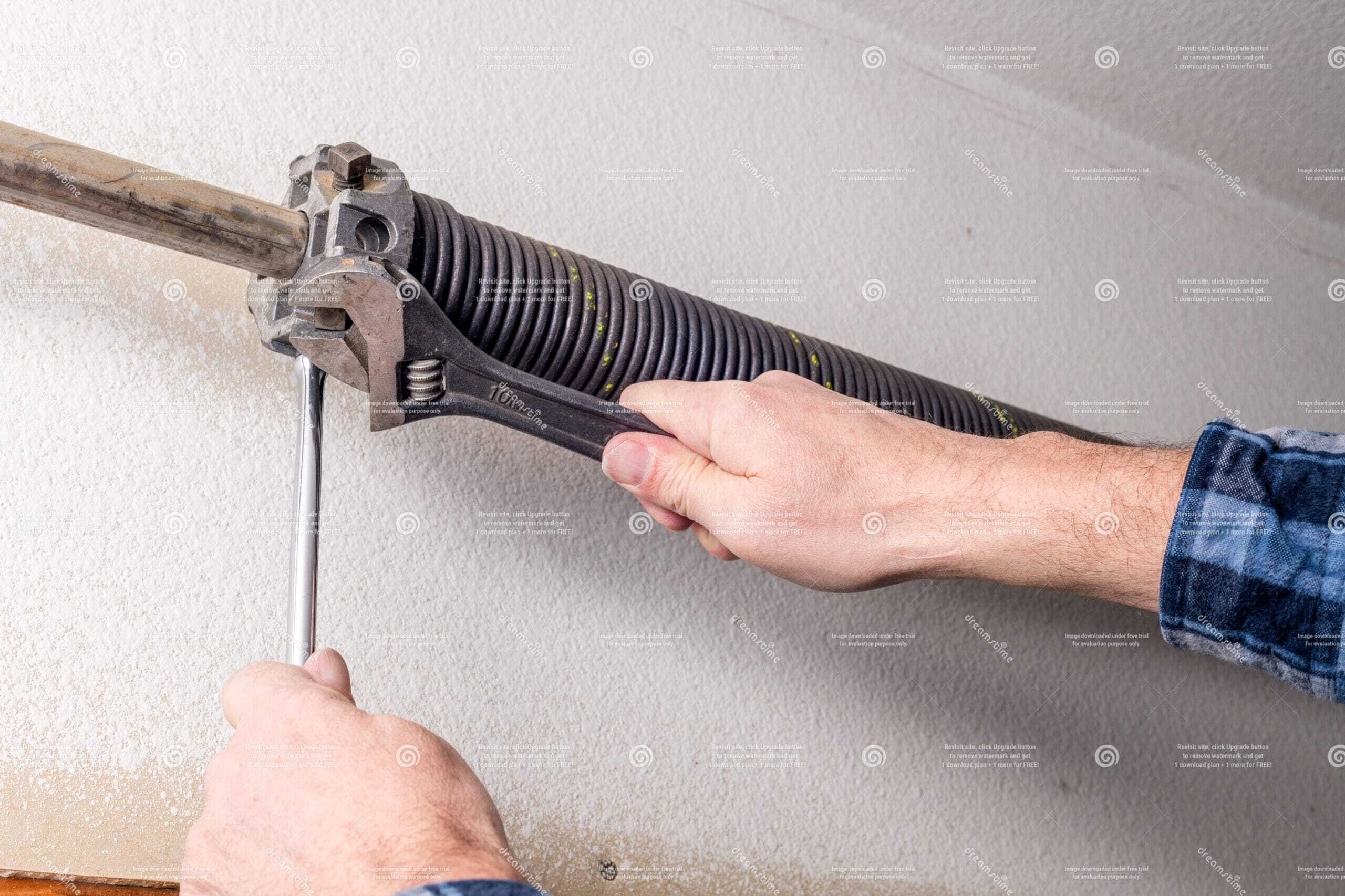
- The torsion spring coils above the door, with a light coat to fight rust
- The end bearing plates where the spring shaft turns
Two common mistakes: don’t grease the tracks themselves (it collects grit and makes the rollers skid), and don’t rely on regular WD-40 as a lubricant. It’s a great cleaner, but it isn’t designed to keep these parts lubricated. In our humidity, a light coat on the springs every few months makes a real difference against rust.
Tighten loose hardware. Doors vibrate, and bolts on hinges and track brackets work loose. Snug them up with a socket wrench. The exception: never loosen or adjust the bottom brackets at the base of the door, which are usually painted red. They’re connected to the cables and are under spring tension.
Twice a year: seals and balance
Check the weatherstripping. The rubber seal along the bottom of the door, and the stop molding around the frame, keep out rain, bugs, lizards, and leaves. Florida sun dries them out and makes them crack. If you see daylight under the door or the bottom seal is torn or flattened, it’s an inexpensive fix.
Test the balance. With the door fully closed and the springs visibly intact, pull the opener’s emergency release and lift the door by hand to about waist height. A well-balanced door stays put or moves only slightly. If it slams down or shoots up, the springs need adjustment. Lower the door, reconnect the opener, and call a pro. Never adjust springs yourself. If you see a gap in a spring or it looks damaged, skip this test entirely and read our guide to broken garage door springs.
Every May: get ready for hurricane season
Atlantic hurricane season runs June 1 through November 30. Your garage door is usually the largest opening in the house, and if it fails in high winds, pressure inside the garage can damage the roof and walls. Before the season starts:
- Run through the full checklist above and fix anything that’s loose, bent, or worn.
- Look for a wind-load label on the door. If your door isn’t wind-rated, ask about reinforcement or replacement. Our guide to new garage door costs in Orlando covers Florida wind-code requirements.
- Practice using the emergency release so you can open and close the door by hand during a power outage.
- Consider an opener with battery backup so you’re not stuck after the storm.
- When a storm is coming, close the door fully and lock it. Never leave it partly open.
How to quiet a noisy garage door
If your door announces itself to the whole neighborhood, the usual culprits are:
- Dry hinges and roller bearings. Lubrication fixes a lot of squeaks.
- Worn rollers. Cheap steel rollers wear and rattle. Upgrading to sealed nylon rollers is one of the most noticeable improvements you can make.
- Loose hardware. Rattles and bangs often come from loose hinge and track bolts.
- The opener itself. Older chain-drive openers are loud by design. A belt-drive or wall-mount opener is dramatically quieter, especially if there’s a bedroom above the garage. See our garage door opener installation options.
What to leave to a pro
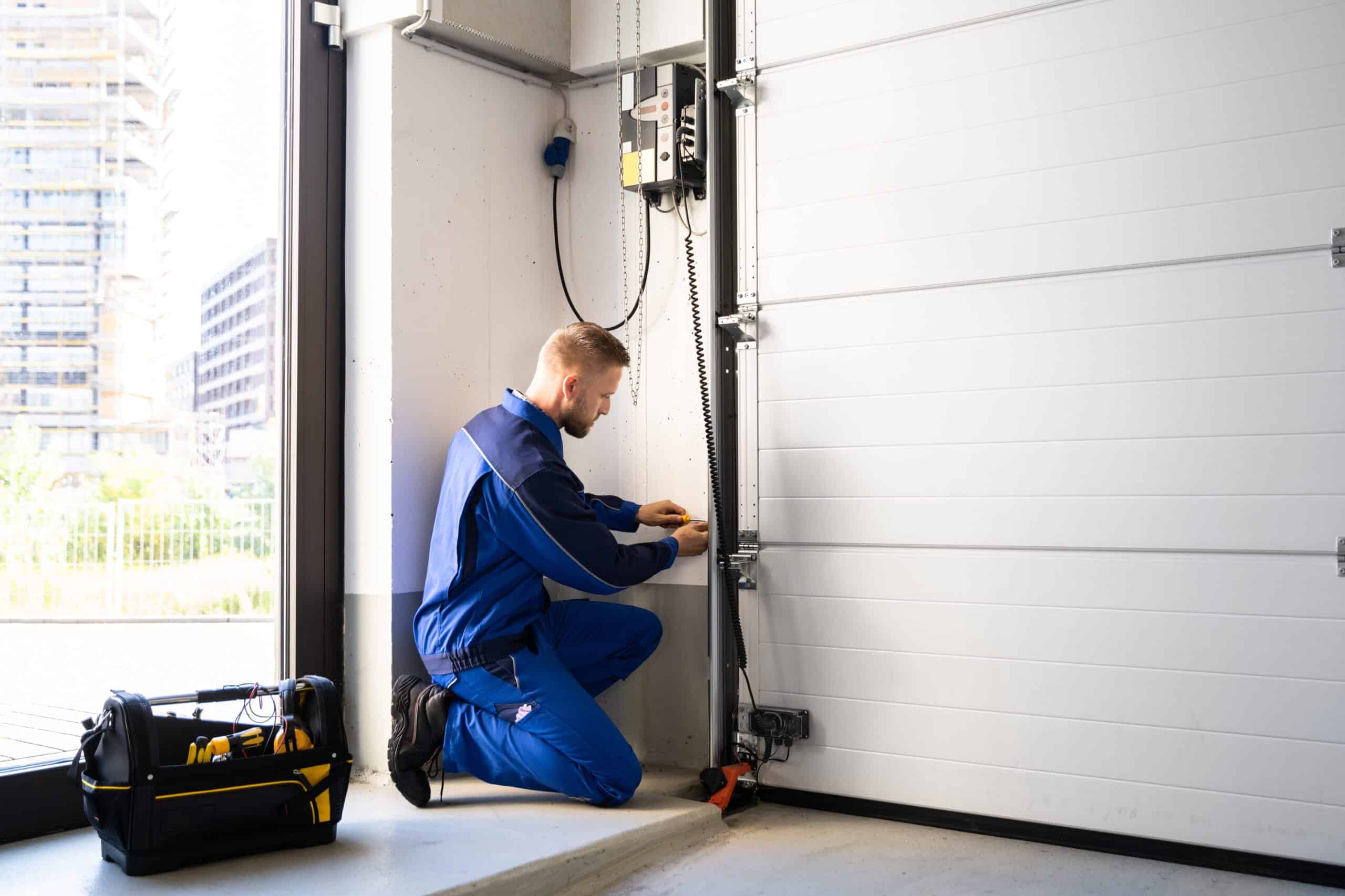
Some parts of a garage door hold enough stored energy to cause serious injury. Leave these to a trained technician: adjusting or replacing springs, replacing or re-tensioning cables, loosening bottom brackets, and realigning or straightening tracks.
The easy option: a $69 annual tune-up
If you’d rather not do all of this yourself, our $69 garage door tune-up covers the important parts once a year, including a safety inspection, spring testing, alignment adjustments, and lubrication and tightening of the hardware. We’ll also let you know about any parts that are close to wearing out, so you can plan for them instead of being surprised.
Grade A Garage Doors has been keeping Orlando garage doors running since 2012. We serve homeowners throughout the metro, including Lake Nona, Winter Park, Oviedo, Baldwin Park, and Maitland.
Book your $69 tune-up →
Or call (407) 285-4220, 7 days a week, 7am–7pm. Something already broken? See our garage door repair service in Orlando.
Frequently Asked Questions: Garage Door Maintenance
How often should a garage door be serviced?
Once a year for most homes. If your garage is your main entrance and the door runs many times a day, twice a year is a good idea. In Florida, a check before hurricane season each spring is a smart habit.
What is the best lubricant for a garage door?
A garage door lubricant, or a silicone or white lithium spray, applied to hinges, steel roller bearings, springs, and bearing plates. Avoid greasing the tracks, and do not rely on regular WD-40, which is a cleaner rather than a long-term lubricant.
Should I lubricate my garage door tracks?
No. Keep the tracks clean and dry. Grease on the tracks collects dirt and grit and can cause the rollers to skid instead of roll.
How can I make my garage door quieter?
Lubricate the hinges and roller bearings, tighten loose hardware, and consider upgrading worn steel rollers to sealed nylon rollers. If the opener is an older chain drive, a belt-drive opener is much quieter.
What does a garage door tune-up include?
Grade A Garage Doors offers a $69 tune-up that includes a safety inspection, spring testing, alignment adjustments, and lubrication and tightening of the hardware, along with a heads-up on any parts that are close to wearing out.